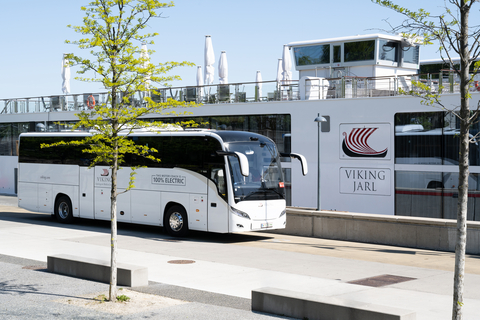
Viking Introduces Its First Fully Electric Motor Coach
Viking Introduces Its First Fully Electric Motor Coach
Rhea-AI Impact
(Neutral)
Rhea-AI Sentiment
(Positive)
Tags
Key Terms
electric motor coachestechnical
Electric motor coaches are large passenger vehicles—such as long-distance buses or shuttle coaches—propelled by electric motors and powered by batteries or external electrical sources instead of gasoline or diesel engines. For investors, they matter because switching to electric models changes operating costs, maintenance needs, purchase price and infrastructure requirements (like charging stations), which can affect a transport company’s profitability, capital spending and exposure to emissions rules or fuel-price swings.
hybrid diesel-electric enginestechnical
A hybrid diesel-electric engine combines a traditional diesel engine with one or more electric motors and an energy storage system so a vehicle, vessel, or generator can run on diesel, electricity, or both. Like a car that switches between gas and battery to save fuel, this setup cuts fuel use and emissions, can lower operating costs, and helps meet regulatory or customer demands — all factors that can affect revenue, expenses and asset value for investors.
diesel-electric enginestechnical
A diesel-electric engine pairs a diesel-powered generator with electric motors so the diesel engine produces electricity that drives the wheels, propeller or other equipment rather than doing the mechanical work directly—think of it like a hybrid car where the engine charges a battery or powers electric motors. Investors care because this design often improves fuel efficiency, lowers maintenance and operating costs, and offers regulatory and resale advantages that affect a company’s long-term expenses and capital needs.
onboard solar panelstechnical
Onboard solar panels are photovoltaic cells mounted directly on a vehicle, vessel, aircraft, or other mobile equipment to generate electricity from sunlight, similar to how solar panels on a roof power a house. For investors, they matter because they can cut fuel or charging costs, extend operating range or uptime, and reduce reliance on external power, while also signaling lower long‑term operating expenses and improved environmental credentials that can affect valuation and access to incentives.
hydrogen-powered cruise shiptechnical
A hydrogen-powered cruise ship uses hydrogen—either burned in engines or converted to electricity in fuel cells—as its main source of propulsion and onboard power, replacing or reducing traditional diesel use. For investors this matters because it can lower long-term fuel costs, reduce emissions and regulatory risk, and open access to environmentally focused customers and subsidies, but it also involves higher upfront costs, technology and refueling infrastructure risks similar to adopting a new type of vehicle.
rule 10b5-1 trading planregulatory
A Rule 10b5-1 trading plan is a pre-arranged schedule that allows company insiders to buy or sell stock at specific times, even if they have inside information. It helps prevent accusations of unfair trading by making these transactions look planned and transparent, rather than sneaky or illegal.
form 4regulatory
Form 4 is a official document that company insiders, such as executives or major shareholders, file with regulators whenever they buy or sell company shares. It provides transparency about how those with inside knowledge are trading, helping investors see if insiders are confident in the company's prospects or may be selling for personal reasons. This information can influence investor decisions by revealing insiders' perspectives on the company's value.
adjusted ebitdafinancial
Adjusted EBITDA is a way companies measure how much money they make from their core operations, like running a business, by removing certain costs or income that aren’t part of regular business activities. It helps investors see how well a company is doing without distractions from unusual expenses or gains, making it easier to compare companies or track performance over time.
Debut Establishes Viking as the First River Line to Operate a 100% Electric Motor Coach in Europe
LOS ANGELES--(BUSINESS WIRE)--
Viking® (www.viking.com) (NYSE: VIK) today announced the launch of its first fully electric motor coach, marking a significant milestone in the company’s ongoing commitment to environmental stewardship. With this debut, Viking becomes the first river line to operate a 100% electric motor coach for guest transportation in Europe. The vehicle is now in service for Viking guests in Vienna, with additional electric coaches planned for deployment across Europe in the coming years.
Viking today announced the launch of its first fully electric motor coach, marking a significant milestone in the company’s ongoing commitment to environmental stewardship. With the debut, Viking becomes the first river line to operate a 100% electric motor coach for guest transportation in Europe. Now in service in Vienna, the Viking-branded coach accommodates up to 49 passengers, with additional electric coaches planned for deployment across Europe in the coming years. For more information, visit www.viking.com.
“We have always been deliberately concerned about the environment, which is why we design our ships thoughtfully to reduce fuel consumption. As we begin to introduce electric motor coaches to our land operations, we are proud to extend our environmental commitment even further,” said Torstein Hagen, Chairman and CEO of Viking. “Electric motor coaches are quieter and offer a zero-emission solution, and we look forward to operating them in many more Viking destinations in the coming months and years.”
The Viking-branded coach, operated exclusively for Viking guests, accommodates up to 49 passengers and joins the company’s existing fleet of motor coaches that support its destination-focused shore excursion program in Vienna.
The introduction of Viking’s first electric motor coach builds on the company’s long-standing record of environmentally considerate innovation. In 2009, Viking became the first river line to use hybrid diesel-electric engines. With the launch of the Viking Longships®, Viking introduced to Europe’s rivers an innovative design featuring a patented square bow and asymmetric corridor layout, diesel-electric engines and onboard solar panels. In 2025, Viking also announced plans for the world’s first hydrogen-powered cruise ship—the Viking Libra®—scheduled for delivery in fall 2026.
Media Assets
For more information about Viking, or for images and b-roll, please contact vikingpr@edelman.com.
About Viking
Viking (NYSE: VIK) is a global leader in experiential travel with a fleet of more than 100 ships, exploring 21 rivers, five oceans and all seven continents. Designed for curious travelers with interests in science, history, culture and cuisine, Chairman and CEO Torstein Hagen often says Viking offers experiences For The Thinking Person™. Viking has more than 450 awards to its name, including being rated #1 for Rivers and #1 for Oceans five years in a row by Condé Nast Traveler in the 2025 Readers’ Choice Awards. Viking is also rated a “World’s Best” by Travel + Leisure—no other travel company has simultaneously received such honors by both publications. For additional information, contact Viking at 1-800-2-VIKING (1-800-284-5464) or visit www.viking.com.