
PotlatchDeltic Works to Establish Hardwood Streamside Management Zones
Rhea-AI Summary
PotlatchDeltic (PCH) is implementing forestry best management practices to protect water quality in Georgia and Alabama. The company is establishing hardwood streamside management zones (SMZs) in areas previously converted to pine plantations, which risked increased erosion. This process involves:
1. Creating a buffer zone around ephemeral channels
2. Removing existing pine trees from the buffer area
3. Protecting and promoting hardwood growth within the buffer
4. Recording and protecting these areas as young hardwood stands in their GIS mapping system
These efforts aim to enhance water quality, wildlife habitat, and biodiversity. The company believes this approach will better protect the litter layer on ephemeral channels during tree harvesting, as required by local BMPs.
Positive
- Implementation of forestry best management practices to protect water quality
- Establishment of hardwood streamside management zones to reduce erosion risk
- Potential enhancement of water quality, wildlife habitat, and biodiversity
Negative
- None.
News Market Reaction – PCH
In the trading session that priced this news, PCH gained 0.93%, reflecting a mild positive market reaction.
Data tracked by StockTitan Argus on the day of publication.
AI-generated analysis. How Rhea-AI works. Not financial advice.




NORTHAMPTON, MA / ACCESSWIRE / August 30, 2024 / PotlatchDeltic
Forestry best management practices (BMPs) are voluntary practices that forestry professionals follow to protect water quality in the areas that they manage. In Georgia and Alabama, BMPs require that the litter layer on top of the soil be left on ephemeral channels when trees are harvested along ephemerals. Ephemeral channels are channels formed by water during or immediately after a precipitation event where the top layer of the forest floor is disturbed, and soil is exposed. Previous owners of one of our tracts had harvested all the pine and hardwood trees from along the ephemeral ditches and then converted the area to pine plantation. Our foresters identified areas where the prior conversion risked increased erosion and decided to establish them as hardwood streamside management zones (SMZs).
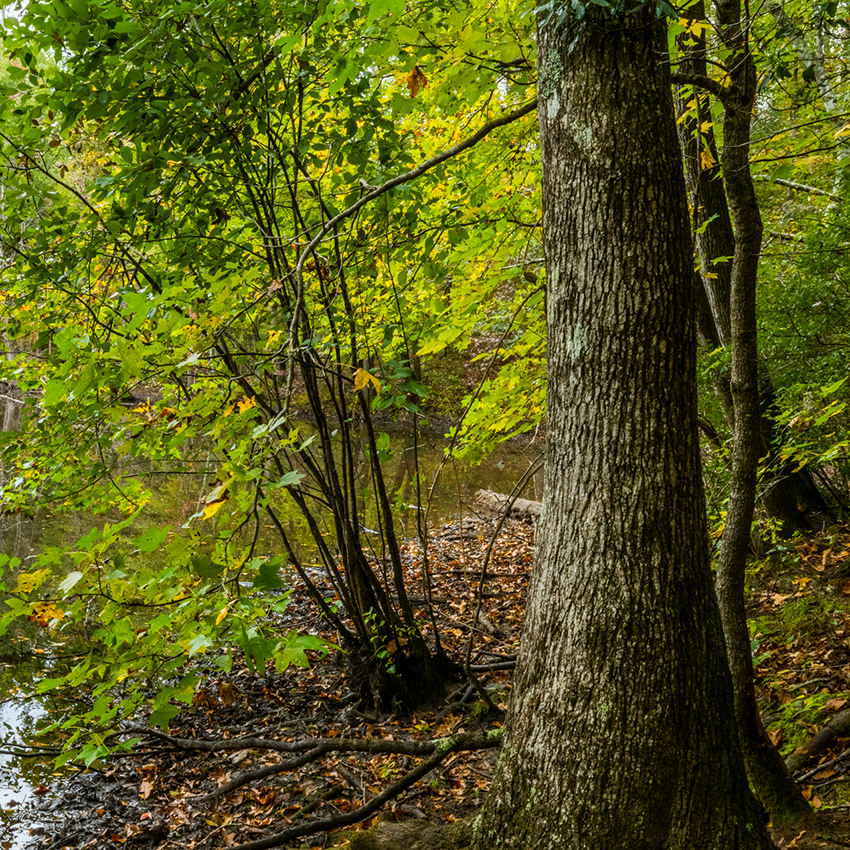
To achieve this transition back to hardwood, a buffer was established as an additional protected area. The existing pine was removed from the buffer area and all hardwood currently growing inside the buffer area was protected. The growth of the hardwood inside the newly established buffer area was aided by additional sunlight that reached the trees due to the removal of the pines. The buffer areas are recorded and protected as young hardwood stands in our GIS mapping system and are allowed to grow freely into riparian hardwood buffers. We believe that this enhances water quality, wildlife habitat, and biodiversity.
View additional multimedia and more ESG storytelling from PotlatchDeltic on 3blmedia.com.
Contact Info:
Spokesperson: PotlatchDeltic
Website: https://www.3blmedia.com/profiles/potlatchdeltic
Email: info@3blmedia.com
SOURCE: PotlatchDeltic
View the original press release on accesswire.com