
ACURATE neo2™ Aortic Valve System Data Presented at Late-Breaking Clinical Trial Session at TCT 2024
Rhea-AI Summary
Boston Scientific (NYSE: BSX) announced results from the ACURATE IDE clinical trial evaluating their ACURATE neo2™ Aortic Valve System for treating severe aortic stenosis. The trial's primary endpoint showed a 16.16% composite rate of all-cause mortality, stroke, or rehospitalization at one year in the ACURATE neo2 arm versus 9.53% in the control arm, failing to meet non-inferiority criteria. A post-hoc analysis revealed approximately 20% of valves were under-expanded, with data showing similar outcomes between properly expanded ACURATE neo2 valves and the control group. The company continues working with the FDA on regulatory approval strategy.
Positive
- Post-hoc analysis showed similar outcomes between properly expanded ACURATE neo2 valves and control group
- Device already has CE mark approval in Europe
Negative
- Failed to meet primary endpoint non-inferiority criteria (16.16% vs 9.53% composite rate)
- 20% of valves were under-expanded in the trial
- Regulatory approval in US still pending
News Market Reaction – BSX
In the trading session that priced this news, BSX declined 0.67%, reflecting a mild negative market reaction.
Data tracked by StockTitan Argus on the day of publication.
AI-generated analysis. How Rhea-AI works. Not financial advice.




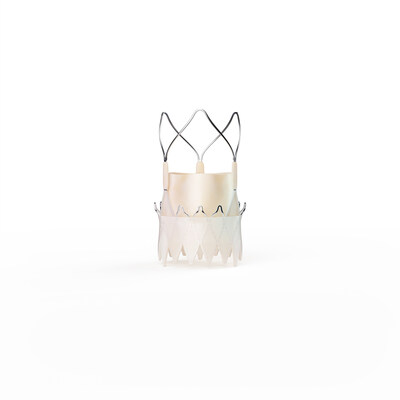
This randomized trial evaluated the ACURATE neo2 valve, the company's second-generation transcatheter aortic valve replacement (TAVR) technology, versus a pre-defined control valve, either the commercially available SAPIEN™ valve or the Evolut™ transcatheter aortic valve system, selected at the discretion of the implanting physician. The composite rate of all-cause mortality, stroke or rehospitalization at one year was
"This trial is the largest randomized comparison of TAVR platforms and was conducted over four years, including during a global pandemic that introduced complexities for enrollment," said Michael Reardon, M.D., professor of cardiothoracic surgery at Houston Methodist DeBakey Heart & Vascular Center and co-principal investigator of the ACURATE IDE trial. "These data add to the breadth of clinical knowledge of the ACURATE valve platform and provide compelling insights on the importance of procedural optimization that will be beneficial for TAVR moving forward."
Also presented in the late-breaking session were data from a post-hoc analysis to identify and evaluate expanded and under-expanded ACURATE neo2 valve frames within the ACURATE IDE trial. The company performed a review of key procedural factors, including pre- and post-dilation, which helps to prepare for, enable and confirm proper valve expansion during the procedure. Following this review, an assessment of implant quality for the ACURATE neo2 valve was initiated and highlighted that approximately
"The data presented today give clinicians a greater understanding of the impact of procedural optimization as the TAVR space continues to rapidly evolve," said Janar Sathananthan, M.D., chief medical officer, Interventional Cardiology Therapies, Boston Scientific. "We believe the findings from the ACURATE IDE post-hoc analysis and implementation of steps to mitigate valve under-expansion may improve outcomes for the ACURATE valve and have important implications on other commercially available TAVR valves, and we look forward to studying these improved techniques in future trials of the device."
Boston Scientific continues to work closely with the
More information on the ACURATE IDE trial is available here.
*In Europe, the ACURATE neo2™ Aortic Valve System and the ACURATE Prime™ Aortic Valve System are CE-marked. In the
**Dr. Michael Reardon is a paid consultant of Boston Scientific Corporation. He has not been compensated in connection with this press release.
About Boston Scientific
Boston Scientific transforms lives through innovative medical technologies that improve the health of patients around the world. As a global medical technology leader for more than 45 years, we advance science for life by providing a broad range of high-performance solutions that address unmet patient needs and reduce the cost of health care. Our portfolio of devices and therapies helps physicians diagnose and treat complex cardiovascular, respiratory, digestive, oncological, neurological and urological diseases and conditions. Learn more at www.bostonscientific.com and connect on LinkedIn and X, formerly Twitter.
Cautionary Statement Regarding Forward-Looking Statements
This press release contains forward-looking statements within the meaning of Section 27A of the Securities Act of 1933 and Section 21E of the Securities Exchange Act of 1934. Forward-looking statements may be identified by words like "anticipate," "expect," "project," "believe," "plan," "estimate," "intend" and similar words. These forward-looking statements are based on our beliefs, assumptions and estimates using information available to us at the time and are not intended to be guarantees of future events or performance. These forward-looking statements include, among other things, statements regarding our business plans and product performance and impact, clinical trials, and new and anticipated product approvals and launches. If our underlying assumptions turn out to be incorrect, or if certain risks or uncertainties materialize, actual results could vary materially from the expectations and projections expressed or implied by our forward-looking statements. These factors, in some cases, have affected and in the future (together with other factors) could affect our ability to implement our business strategy and may cause actual results to differ materially from those contemplated by the statements expressed in this press release. As a result, readers are cautioned not to place undue reliance on any of our forward-looking statements.
Factors that may cause such differences include, among other things: future economic, competitive, reimbursement and regulatory conditions; geopolitical events; manufacturing, distribution and supply chain disruptions and cost increases; disruptions caused by cybersecurity events; disruptions caused by public health emergencies or extreme weather or other climate change-related events; labor shortages and increases in labor costs; variations in outcomes of ongoing and future clinical trials and market studies; new product introductions; expected procedural volumes; the closing and integration of acquisitions; demographic trends; intellectual property; litigation; financial market conditions; and future business decisions made by us and our competitors. All of these factors are difficult or impossible to predict accurately and many of them are beyond our control. For a further list and description of these and other important risks and uncertainties that may affect our future operations, see Part I, Item 1A – Risk Factors in our most recent Annual Report on Form 10-K filed with the Securities and Exchange Commission, which we may update in Part II, Item 1A – Risk Factors in Quarterly Reports on Form 10-Q we have filed or will file hereafter. We disclaim any intention or obligation to publicly update or revise any forward-looking statements to reflect any change in our expectations or in events, conditions or circumstances on which those expectations may be based, or that may affect the likelihood that actual results will differ from those contained in the forward-looking statements, except as required by law. This cautionary statement is applicable to all forward-looking statements contained in this document.
CONTACTS:
Angela Mineo
Media Relations
+1 (763) 955-8325
Angela.Mineo@bsci.com
Jon Monson
Investor Relations
+1 (508) 683-5450
BSXInvestorRelations@bsci.com
 View original content to download multimedia:https://www.prnewswire.com/news-releases/acurate-neo2-aortic-valve-system-data-presented-at-late-breaking-clinical-trial-session-at-tct-2024-302291747.html
SOURCE Boston Scientific Corporation